
Impact of AI in SEO: How Artificial Intelligence is Shaping Search Engine Optimization
Explore how AI is transforming SEO strategies and influencing search engine results. Learn how businesses can leverage artificial intelligence to boost their online presence and improve visibility.
AI (Artificial Intelligence) and SEO (Search Engine Optimization) are interconnected in how search engines work and how businesses optimize their online presence. Here’s how they connect:
AI allows machines to learn and adapt like humans.
SEO involves optimizing websites to rank higher on search engines.
AI helps search engines understand and deliver more relevant results to users by analyzing behavior and search patterns.
AI assists in improving content quality, site structure, and overall SEO strategies.
Stat: 61% of marketers consider AI their most important data-driven marketing tool.
AI influences search engines like Google through algorithms like RankBrain and BERT.
AI is becoming a key element in SEO, making it essential for businesses to adapt.
How AI is Evolving around SEO?
Impact of AI on SEO: AI is transforming SEO by enabling search engines to understand user intent better and providing more relevant search results. It helps in automating repetitive tasks and predicting user behavior, which improves content targeting and site optimization.
What is an SEO Strategy? An SEO strategy is a plan that outlines steps to improve a website’s ranking on search engine results pages (SERPs). It includes keyword research, content creation, technical SEO, and link building to boost organic traffic.
How AI Helps in Creating an SEO Strategy: AI enhances SEO strategies in several ways:
Keyword Research: AI tools like SEMrush and Ahrefs analyze search patterns and suggest high-performing keywords.
Content Optimization: AI tools can assess content quality, helping to improve readability and keyword usage for better ranking.
Predicting Trends: AI analyzes search behavior to predict upcoming trends and helps businesses stay ahead of competitors.
Personalization: AI algorithms create personalized content recommendations based on user behavior.
By utilising AI, businesses can develop more targeted, data-driven SEO strategies that drive better results.
How AI Is Affecting SEO
Artificial Intelligence (AI) is rapidly transforming SEO, impacting everything from search algorithms to content creation. Here’s how AI is shaping SEO today:
Key Impacts of AI on SEO
AI-Driven Search Algorithms:
Google’s RankBrain and BERT now prioritize understanding user intent and context over simple keyword matching.
Example: RankBrain interprets search queries like “best pizza place near me” by understanding that the user is looking for a location-based recommendation, not just a list of pizza restaurants.Personalized Search Results:
AI customizes search results based on user behavior, location, and device.
Example: If a user frequently searches for vegan recipes, search engines will prioritize vegan-related content in their future searches.
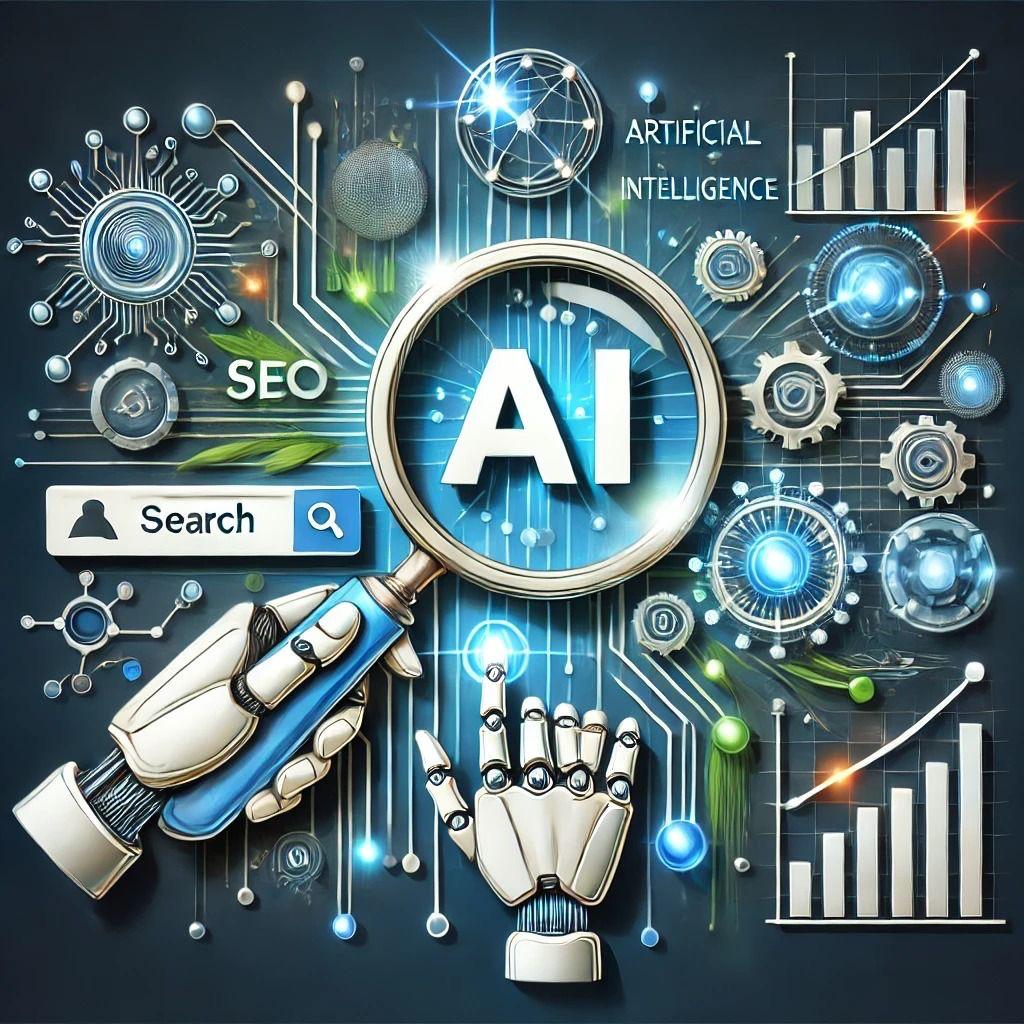
AI-Powered Features (e.g., Google’s AI Overview):
Features like Google’s AI Overview give instant answers directly in the search results, reducing the need to click on links.
Example: Searching for “What is SEO?” now often gives a detailed answer at the top, reducing clicks to websites.Conversational AI (Chatbots and Generative AI):
AI-driven chatbots and generative AI tools now provide detailed, conversational responses.
Example: A search for “best ways to improve SEO” might lead to an AI-driven answer instead of just a link to a blog post, changing how content must be structured.
Multi-Platform and Multi-Format SEO:
SEO now needs to adapt to voice, visual, and conversational searches.
Example: Smart speakers like Alexa or Google Assistant rely on voice search, requiring businesses to optimize for spoken queries.Automation of SEO Tasks:
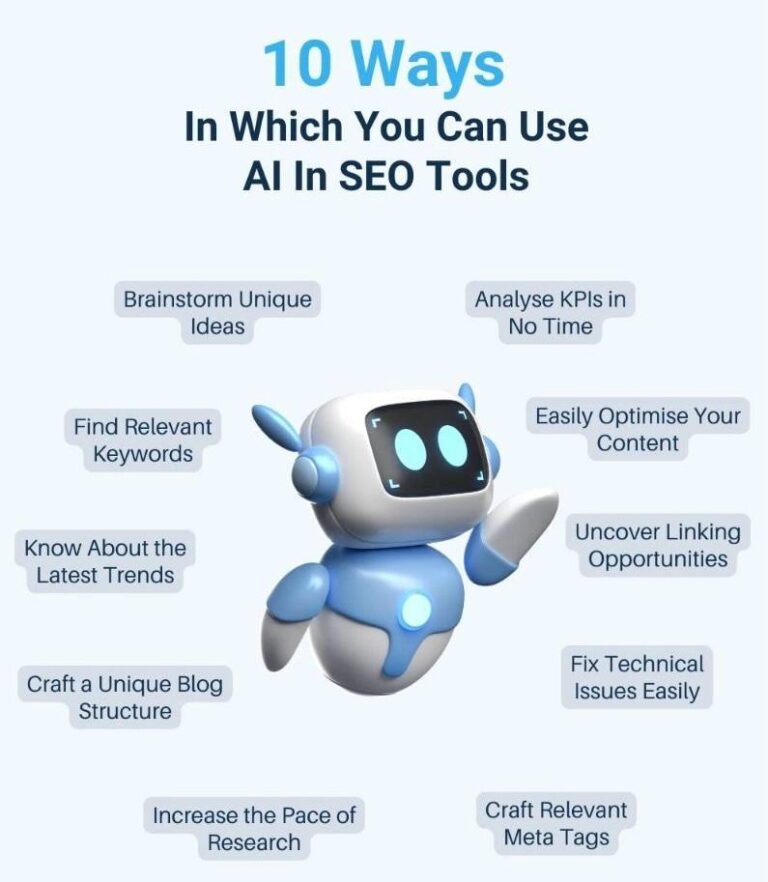
AI tools now automate several SEO functions, including:Advanced keyword research and trend prediction
Content optimization and automated content generation
Technical SEO audits and site issue detection
Structured data and schema markup creation
Link-building opportunity identification
Example: Tools like SEMrush and Ahrefs use AI to suggest keywords based on trending topics, making the research process faster and more accurate.
Data-Driven Content Strategies:
AI helps process large datasets, enabling smarter, data-driven content decisions.
Example: AI can analyze which blog topics attract the most traffic and suggest topics that match those patterns.
Shift Towards Quality Content:
The focus is now on creating high-quality, authoritative content that meets user needs, not just keyword-stuffed articles.
Example: A website ranking for “best laptop reviews” would now focus on creating in-depth, expert reviews rather than just filling the page with keywords.
In Summary:
AI algorithms focus on user intent and context rather than just keywords.
Personalized answers in search results reduce click-through rates (CTR).
Content needs to be structured for AI-driven search and multi-platform delivery.
Voice, visual, and conversational search formats are increasing.
AI tools automate SEO tasks like keyword research and content optimization.
SEO now emphasizes quality content, relevance, and user experience.
Adjusting to AI-driven SEO is key for maintaining search visibility and competitiveness.
AI isn’t just enhancing SEO; it’s reshaping how search engines work and what it takes to succeed online.
Negative Impact of AI on SEO
How AI Is Negatively Impacting SEO
Decreased Organic Click-Through Rates (CTR):
AI features like Google’s AI Overview display answers directly on the search results page, meaning users often don’t click on websites anymore.
Example: A website that previously ranked #1 for a query might now lose clicks because the AI feature shows the answer without users needing to visit the site.
Increased Competition:
AI is helping many businesses improve their SEO strategies, making it more difficult to stand out and get top rankings.
Example: Two similar websites competing for the same keyword—one using AI tools effectively and one not—will find it hard for the latter to compete for visibility.
Over-Automation Risk:
AI tools can sometimes automate too much of the SEO process, leading to less creative or personalized content. This could hurt rankings if the content doesn’t meet the needs of users.
Example: AI-written blog posts that don’t engage users or answer their questions fully might rank lower than human-crafted, thoughtful posts.
Unpredictable Algorithm Changes:
As AI technology advances, Google’s algorithms may change frequently, making it tough for SEO strategies to stay consistent.
Example: A sudden change in how AI interprets content could cause a website to drop in rankings even if no changes were made to the site.
Tips to Overcome the Negative Impact of AI in SEO
Choosing the Right Method Where to Invest Your Efforts
Focus on High-Quality Content:
While AI can help optimize content, it’s still essential to ensure it adds value to the user. Original and helpful content will always perform better.
- Optimize for Voice and Visual Search:
- As voice search becomes more popular, optimize content for how users speak. Similarly, optimize for visual search by using high-quality images and alt text.
- Use AI for Efficiency, Not Over-Automation:
- AI is great for repetitive tasks like keyword research, but human insight is still needed to craft a comprehensive strategy.
Leverage Structured Data and Schema Markup:
AI-driven search engines rely on structured data to understand content. Marking up content correctly can improve visibility in search results.
The Future of AI in SEO: Trends You Should Watch
1. AI-Powered Search Algorithms Becoming More Advanced
AI is getting better at understanding user intent and content context.
Example: Google RankBrain is an example of an AI algorithm that understands context and adjusts rankings based on what users are looking for, not just the exact keywords.
2. Voice and Visual Search Growing in Popularity
Voice and visual search are becoming more common. Websites will need to focus on optimizing for these formats.
Example: Optimizing for voice search could mean answering questions clearly in your content, like “What’s the best pizza in town?” instead of just “pizza.”
3. Increased Focus on User Experience (UX)
Google will prioritize websites that give a great user experience, like fast load times and mobile-friendly pages.
Example: If two websites have similar content, but one loads faster, the faster one may rank higher.
4. AI Tools for Content Personalization
AI will help create personalized content for users based on their behavior and preferences.
Example: Websites like Amazon use AI to recommend products based on what customers have previously searched for or bought.
Impact | Explanation | Example |
|---|---|---|
Decreased CTR | AI features like Google’s AI Overview reduce clicks on organic listings. | Website loses traffic due to instant answers. |
Increased Competition | More businesses are using AI, making it harder to rank well. | Competitors using AI tools outrank non-AI users. |
Over-Automation | Too much AI-generated content can lead to generic, low-quality results. | AI-written content that lacks user engagement. |
Unpredictable Algorithm Changes | AI’s constant updates cause sudden ranking shifts that SEO strategies can’t always keep up with. | A drop in rankings after an AI algorithm update. |
How AI is Changing SEO
SEO has moved from focusing on keywords to understanding user intent and using multiple formats like voice and visual search. Search engines now read the context of your content, show instant answers, and reward sites that combine real expertise with good data.
What You Should Do Next
1. Check Your Content for Voice, Visual, and Conversational Search
Make sure your pages answer natural questions people ask by voice or chat, and include clear images with descriptions.
3. Combine AI Tools with Human Creativity
Use AI to find content gaps and trends, then write helpful, original content that truly serves your audience.
2. Add Structured Data
Use schema markup (like FAQ or How-To tags) so AI can easily find and show your content in special search features
4.Watch Your Metrics
Keep an eye on click-through rates, how long visitors stay on your pages, and changes in traffic from AI-powered search features.
Why It Matters
Teams that update their SEO now will keep their traffic and build trust. Those who wait risk losing both. Ready to improve your SEO strategy? Contact us for a personalized plan.